01
Create a project
Start with a workspace for your imagery.
Create a project folder and establish the place where your images and documentation will live.
Upload geotagged images and bring them into OcuMap with their location, project context, and visual documentation connected.
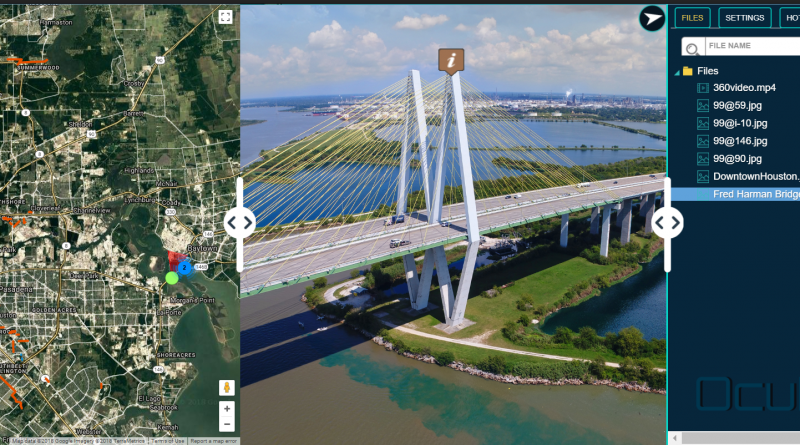
Start with a workspace for your imagery.
Create a project folder and establish the place where your images and documentation will live.
Bring your field imagery into OcuMap.
Drag and drop thousands of geotagged images and preserve their location information.
Explore imagery where it was captured.
Navigate your images geographically and connect visual documentation to the locations that matter.
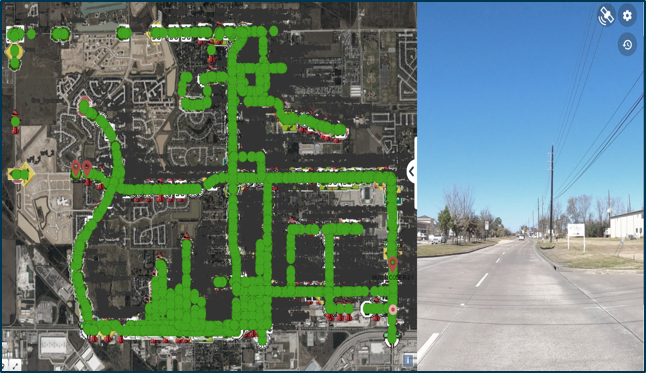
Drag and drop thousands of photos and see them on the map.
Your project imagery stays connected to where it was captured, making large collections easier to navigate and review.
Leverage your GPS images for virtual inspections.
Review field conditions remotely while keeping each image tied to its location.
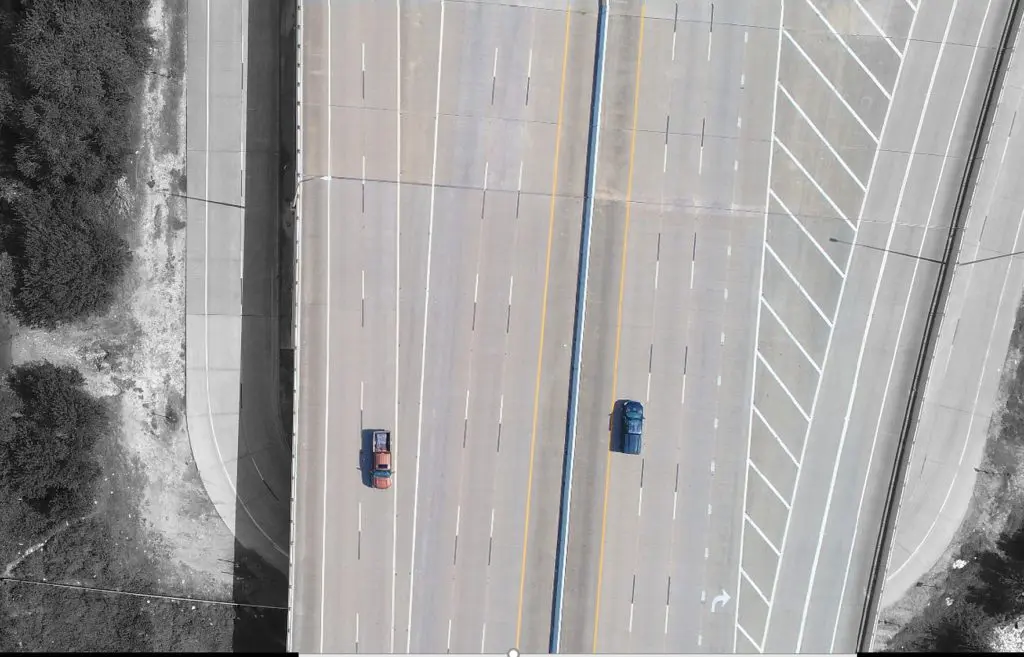
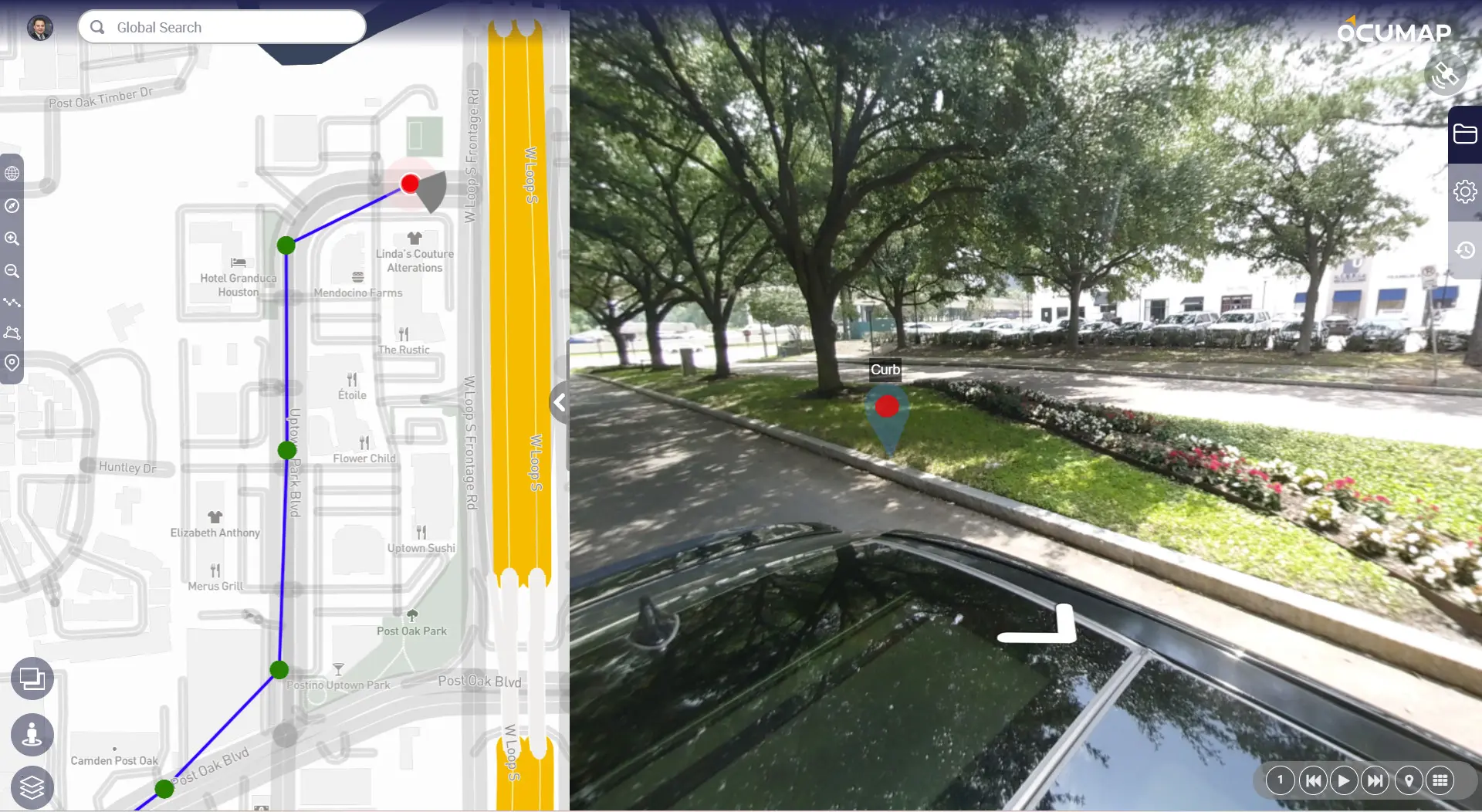
Geotag a Point of Interest inside a photo and on the map.
Extract important features directly from imagery and place them where they belong.
Bring an entire city onto your desktop for smarter planning.
Use imagery as a visual layer for larger planning, mapping, and infrastructure workflows.
Existing supporting points:
Keep images connected to the locations where they were captured.
Review field conditions remotely without losing geographic context.
Connect visual evidence to infrastructure and project records.
Use field imagery as part of a broader spatial documentation workflow.
Explore thousands of images through their geographic context.
Use imagery to record infrastructure, conditions, and points of interest.
Bring real-world visual context into planning and assessment workflows.
Yes, you can upload panoramic JPEG photos in Equirectangular format and see them on the map. EXIF data must be associated with the JPEGs before the software can show location. You can also upload flat (non 360) photos.
You can use any GPS-enabled camera. OcuMap supports .mp4 video files and .jpeg image files. If you are recording video with GPS, make sure you can export a GPS data file out of the camera in simple text format (txt, csv, xml) or GPX.
If your images have GPS in the metadata (EXIF), they will be automatically shown on the map once you upload them to OcuMap. If your JPEG does not have GPS metadata, then you can add GPS to them manually.
Bring your field imagery into a connected workspace and make every image part of the project record.
“OcuMap helped us locate assets within the ROW using panoramic images, a job that would not have been possible otherwise.”
William Bernard
CEO, Reflective Light Science
★★★★★